Catlab procedures
Cath Lab Procedures – An Overview
What is a Cath Lab?
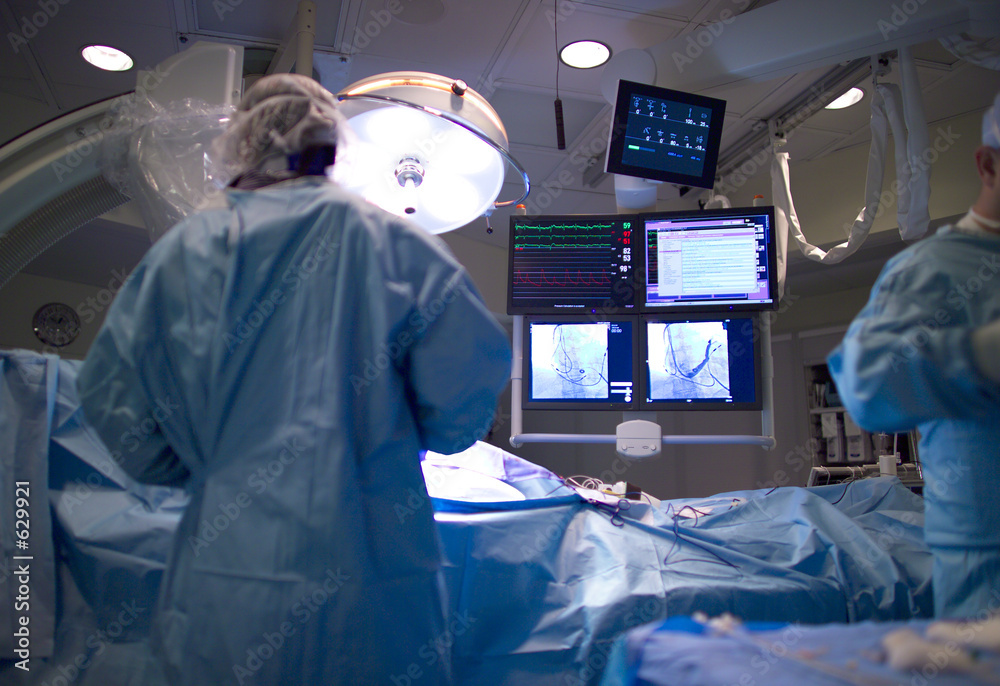
A Catheterization Laboratory (Cath Lab) is a specialized hospital unit equipped with advanced imaging technology used by cardiologists to diagnose and treat heart and blood vessel conditions without the need for open-heart surgery. It allows real-time visualization of coronary arteries, heart chambers, and valves, enabling precise, minimally invasive interventions.
Why Cath Lab Procedures are Important in Cardiology
Cath Lab procedures are often life-saving and are the gold standard for both emergency and planned cardiac care. They help:
Diagnose heart conditions such as blockages, valve problems, or structural defects.
Treat heart attacks and other emergencies quickly, restoring blood flow and preventing damage.
Improve quality of life for patients with chronic heart diseases by reducing symptoms and improving heart function.
Common Cath Lab Procedures Offered
Angiography – Imaging of coronary or peripheral arteries to detect blockages or narrowing.
Angioplasty & Stenting (Primary PTCA) – Opening blocked arteries using balloons and stents, especially during acute heart attacks.
SVD, DVD, TVD Treatments – Management of Single, Double, or Triple Vessel Disease through targeted interventions.
Coronary & Peripheral Angioplasty – Restoring blood flow in heart or limb arteries.
Pacemaker Implantation – Regulating slow or irregular heartbeats.
ICD (Implantable Cardioverter Defibrillator) – Preventing sudden cardiac death by correcting dangerous arrhythmias.
CRT (Cardiac Resynchronization Therapy) – Improving heart function in heart failure patients.
Device Closure – Closing abnormal heart openings such as ASDs or VSDs without surgery.
Rotablator Procedure – Using a tiny rotating burr to open heavily calcified arteries.
EPS & RFA (Electrophysiology Study & Radiofrequency Ablation) – Diagnosing and treating abnormal heart rhythms.
BMV (Balloon Mitral Valvotomy) – Treating narrowed heart valves using balloon technology.
Echocardiography (Echo) – Ultrasound-based heart imaging for structure and function assessment.
Electrocardiogram (ECG) – Recording heart’s electrical activity to detect rhythm and conduction issues.
Key Benefits
Minimally invasive, faster recovery compared to surgery.
Shorter hospital stays.
High success rates for both diagnosis and treatment.
Can be performed in emergency and planned settings.
Our packages for cardiology Procedure Courses
| Package Name | Target Audience | Duration | Mode | Content Coverage | Fees (India) | Fees (International) |
|---|---|---|---|---|---|---|
| Basic Certificate in Cath Lab Procedures | Nursing students, cath lab technicians, MBBS freshers | 1 month (12–15 hrs theory + 2 days practical) | Online / Offline | Introduction to Cath Lab, patient preparation, basic angiography overview, assisting in simple procedures, ECG/Echo basics | ₹20,000 | $400 |
| Intermediate Certificate in Cath Lab Interventions | Medical PG students, technicians with 1–2 years’ experience | 3 months (40 hrs theory + 5 days hands-on) | Hybrid | Angiography, angioplasty, SVD/DVD/TVD concepts, device handling, pacemaker basics, primary PTCA in acute MI, rotablator overview, device closure basics | ₹55,000 | $1,000 |
| Advanced Certificate in Cath Lab & Interventional Cardiology | Cardiologists in training, senior cath lab staff | 6 months (80 hrs theory + 10 days practical) | Hybrid / Onsite | All procedures including coronary & peripheral angioplasty, ICD, CRT, advanced rotablator use, EPS & RFA overview, BMV, integration with Echo & ECG for procedural guidance | ₹1,20,000 | $2,000 |
| Comprehensive Fellowship in Interventional Cardiology Skills | Cardiologists, interventional fellows, senior residents | 12 months (150+ hrs theory + 20 days practical/hands-on) | Hybrid / Onsite | Complete training in diagnostic & therapeutic cath lab procedures, advanced imaging integration, emergency heart attack management, research methodology, complex case handling, Echo & ECG mastery for interventions | ₹2,50,000 | $4,500 |